EUDR is Accelerating Farm Modernization, But Threats to Smallholders Remain
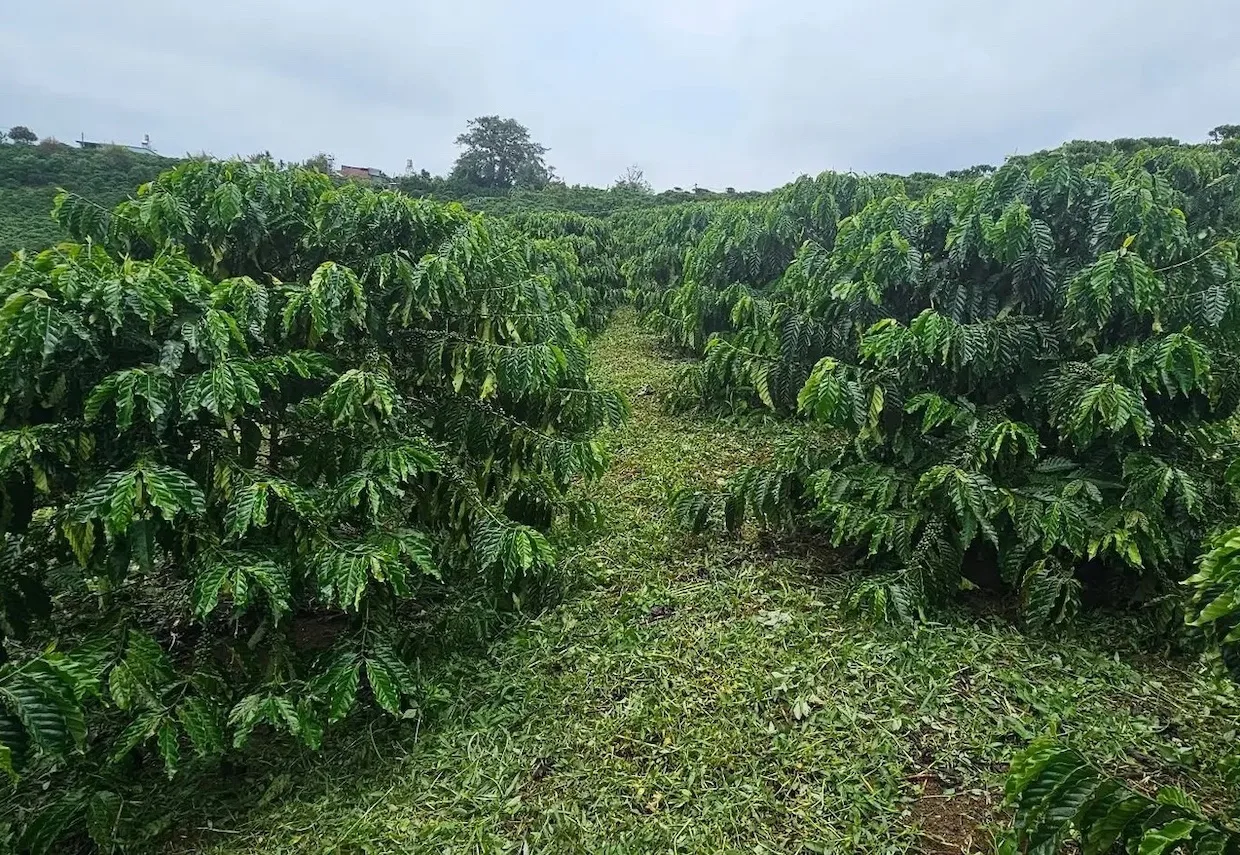
Sandra Weiss| July 29, 2026 Coffee harvest at Jaime Calix’s farm in Siguatepeque. Image by Sandra Weiss. The EU Deforestation Regulation requires companies importing coffee from Honduras into the European market to track their supply chains all the way back to the small-scale farmers who grow the crop. For many farmers, the urgency of complying has led to the modernization of farming practices, providing a competitiveness boost to a supply chain historically based on informality. Digitalization could help to halt Honduras’s rural exodus and make coffee farming attractive to younger generations, but challenges remain around accessibility, managing digital tools, and data ownership. CONCEPCIÓN DE SOLUTECA, Honduras— In the 1970s, the Honduran government granted a piece of land in the mountains of Concepción de Soluteca to Roberto González’s parents. They duly grabbed a chainsaw and a machete to clear the forest. On the 12 hectares (30 acres) they received as part of a land reform, they planted corn, beans and bananas, the basic staple foods. It was a hard life up in the mountains, allowing the farmers and their families to just survive. There wasn’t much public infrastructure, and most children had to help with farmwork early on. This included González, who only attended elementary school for three years. When González inherited the land 20 years later, coffee cultivation was just taking off. Middlemen promised the farmers good money for the export crop, and the banks provided loans for cultivation. At first, this worked well, González, now 39, remembers. Coffee helped the farmers to generate income and improve living conditions. But it didn’t last long. They grew coffee much the same way they did other crops, without adequate soil or shade management. When harvests dwindled, they expanded their area, cutting the last standing forests and damaging water sources. Around 2012, they
Sandra Weiss| July 29, 2026 Coffee harvest at Jaime Calix’s farm in Siguatepeque.
Tech news moves quickly enough that any single story is best read as one data point in a longer arc. The products change, the companies shuffle, but the underlying patterns — incentives, supply chains, regulatory lag — tend to repeat.
The most useful frame for reading coverage like this is to ask what would have to be true for the announcement to matter in a year. Most of the time, the honest answer is "not much." Occasionally, the answer is "everything," and those are the stories worth following up on.
We will keep tracking this one as it develops. If the details shift materially, we will update this piece rather than publish a follow-up that contradicts it.