Dutch Bros Pursues Dozens of Recently Closed Salad and Go Sites
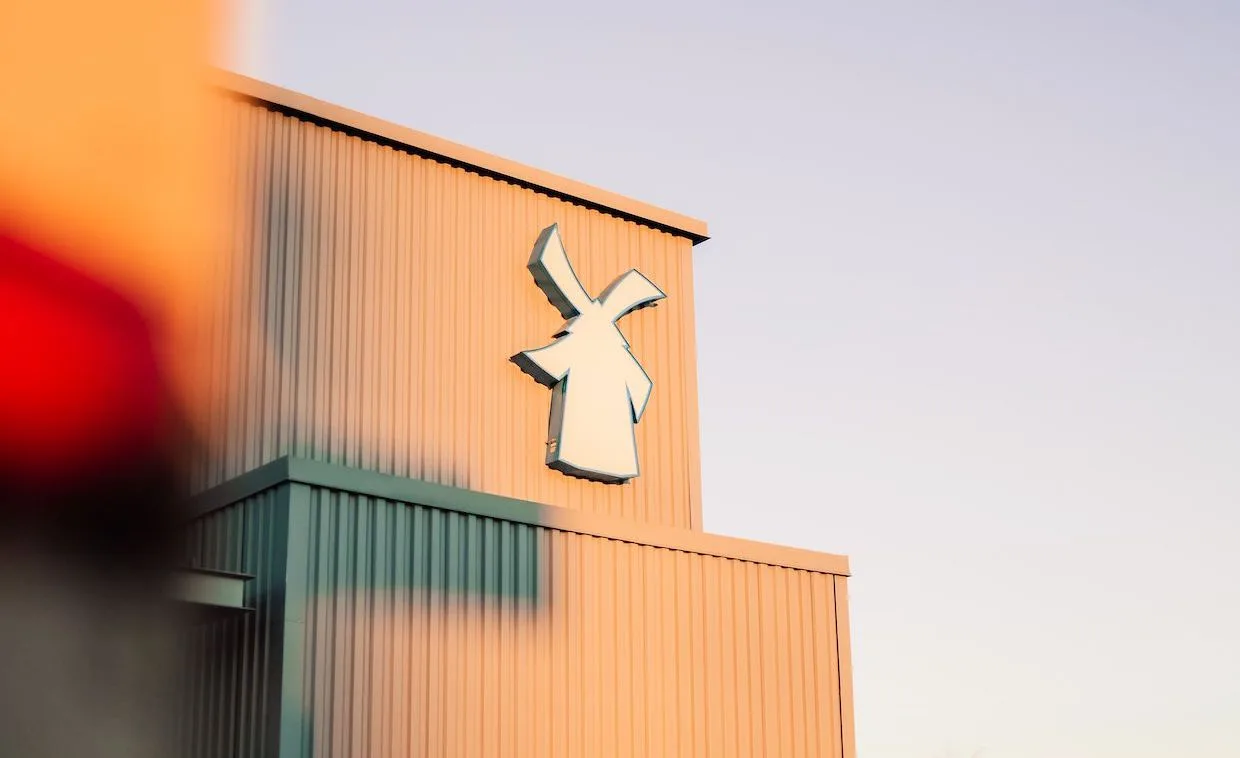
Nick Brown| August 6, 2026 U.S. coffee chainDutch Brosis pursuing a $105 million acquisition of dozens of former locations of Salad and Go, a fast-salad chain born in Arizona currently engaged in Chapter 11 bankruptcy proceedings. Under an asset purchase agreement dated Aug. 4, Dutch Bros subsidiary Boersma Bros LLC would acquire leases and site-related assets such as equipment at 51 locations in Arizona and Nevada. The agreement also covers 14 additional leases in Texas and Oklahoma for a nominal purchase price of $50. The transaction remains subject to approval by the U.S. Bankruptcy Court for the Southern District of Texas. The sale has not closed, and the proposed order attached to the filing has not been signed by a judge, according to DCN’s review of court documents. And Go Concepts LLC, the principal operating company behind Salad and Go, filed for Chapter 11 protection on Aug. 4 alongside four affiliated companies. The debtors said they plan to sell assets and complete an orderly wind-down of their operations. The proposed purchase includes the leases, furniture, fixtures, equipment, vehicles, computers, point-of-sale systems, leasehold improvements and certain site-specific customer lists. It also includes security deposits and transferable utility contracts, according to court filings. It does not include the Salad and Go name or other intellectual property. The 51 former Salad and Go locations include 47 in Arizona and four in Las Vegas. The separate group consists of 12 leases in Texas and two in Oklahoma. In all, the proposed agreement initially covers 65 leases, although that number could change under the agreement. The potential acquisition comes amid an aggressive expansion period for Dutch Bros. The company had 1,177 shops across 25 statesas of March 31. Salad and Go was founded in Gilbert, Arizona, in 2013 as a health-focused alternative to conventional fast
Nick Brown| August 6, 2026 U.S.
Tech news moves quickly enough that any single story is best read as one data point in a longer arc. The products change, the companies shuffle, but the underlying patterns — incentives, supply chains, regulatory lag — tend to repeat.
The most useful frame for reading coverage like this is to ask what would have to be true for the announcement to matter in a year. Most of the time, the honest answer is "not much." Occasionally, the answer is "everything," and those are the stories worth following up on.
We will keep tracking this one as it develops. If the details shift materially, we will update this piece rather than publish a follow-up that contradicts it.