The Rise of Yemeni Coffeehouses in Dearborn and Beyond
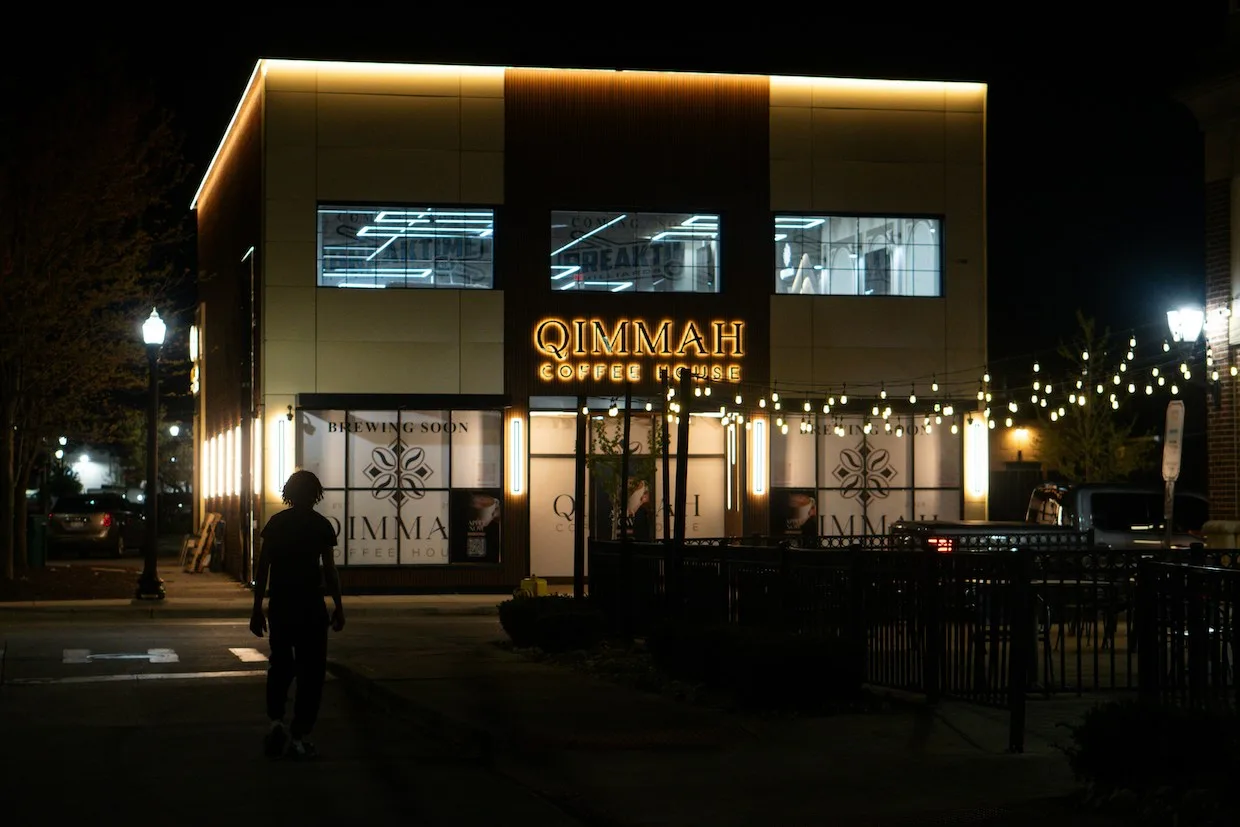
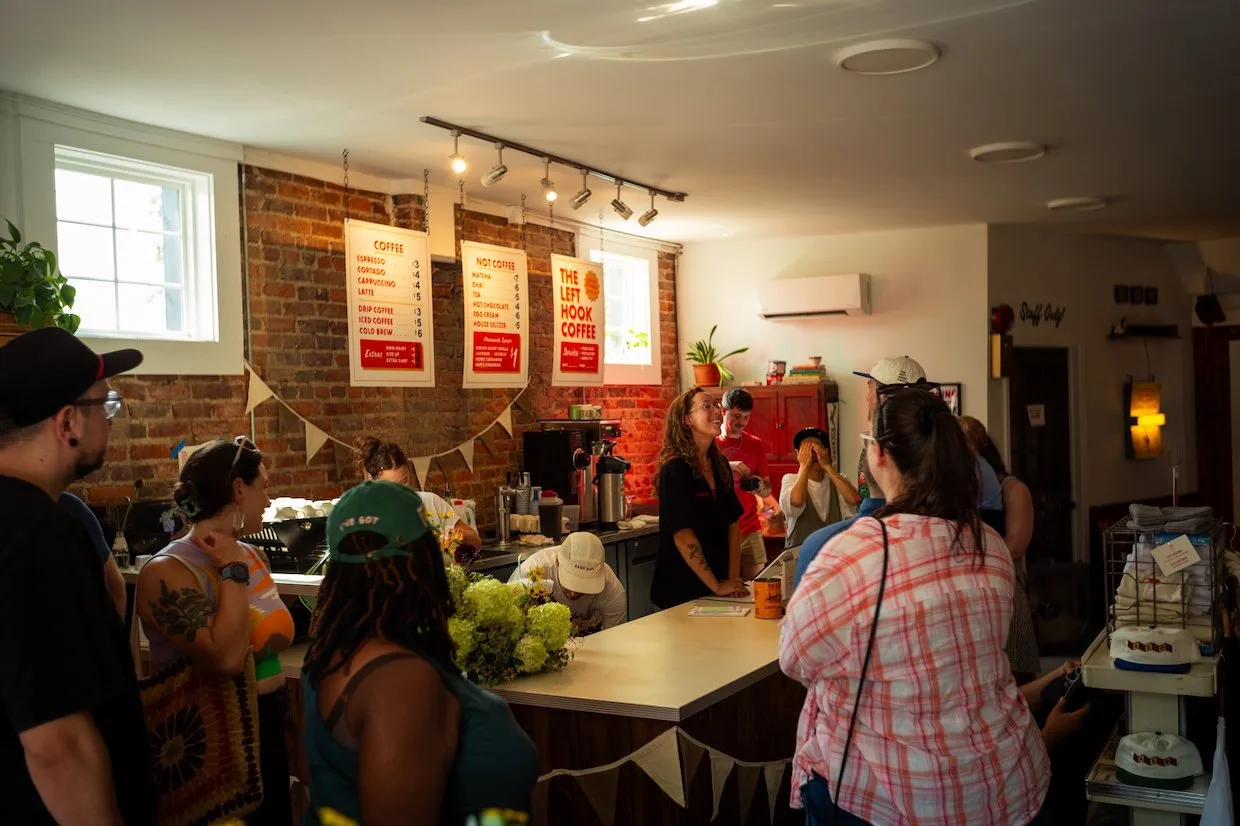
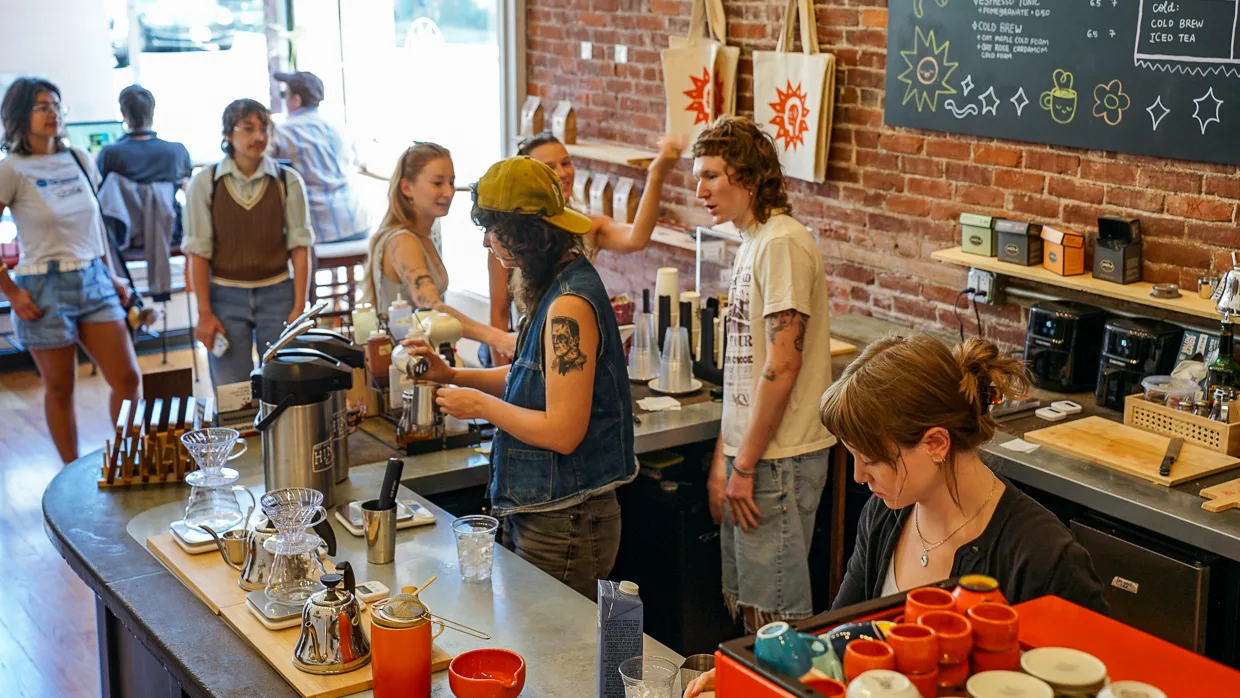
Sally Howell| August 24, 2026 A Yemeni coffee shop in Dearborn, Michigan. The mayor of Dearborn, Michigan, Abdullah Hammoud, declared the city the“Coffee Capital of America”in November 2025. Hammoud’s declaration was inspired by the recent cultural phenomenon of Yemeni coffeehouses. Yemen iswhere coffee was first brewed as a beverage, and these local coffeehouses reflect that rich cultural heritage. Three businesses headquartered in Dearborn —Qahwah House,Qamaria CoffeeandHaraz Coffee House— now operate between them 121 stores in 14 states, including Ohio, Illinois, Texas, Maryland, Virginia and Tennessee. New York Mayor Zohran Mamdani and his wife, Rama Duwaji, had theirfirst date at a Qahwah House in Brooklynin 2021, one of 27 offshoots of the original. As anauthor and public historian, I have documented the rise of the halal food industry in Michigan and paid close attention to how Yemeni coffeehouses, founded by Middle Eastern immigrants, have become cultural institutions grown in Michigan but affecting the entire nation. In the early decades of the 20th century, small coffeehouses in Detroit gave immigrant men from today’s Lebanon and Syria the opportunity to catch up with fellow migrants, speak Arabic and hear news of home. In these coffeehouses, they could learn about work and housing opportunities and enjoy dining on familiar foods, like kibbee, a spiced lamb with cracked wheat; bamiyah, an okra stew, or spinach pies prepared by other Middle Eastern immigrants. In some cases, Muslims and Christians would gather inside coffeehouses toworship or celebrate religious holidaystogether. These early coffeehouses helped establish Arab community enclaves in places like Detroit and Dearborn. They were frequently male-only, smoke-filled spaces. Churches, mosques, restaurants, night clubs and civic organizations frequentlygrew out of the social ties forged over a cup of strong coffee. Immigrants from Iraq, Lebanon and Yemen continued to create coffeehouses like these throughout metro Detroit in the
Sally Howell| August 24, 2026 A Yemeni coffee shop in Dearborn, Michigan.
Tech news moves quickly enough that any single story is best read as one data point in a longer arc. The products change, the companies shuffle, but the underlying patterns — incentives, supply chains, regulatory lag — tend to repeat.
The most useful frame for reading coverage like this is to ask what would have to be true for the announcement to matter in a year. Most of the time, the honest answer is "not much." Occasionally, the answer is "everything," and those are the stories worth following up on.
We will keep tracking this one as it develops. If the details shift materially, we will update this piece rather than publish a follow-up that contradicts it.